
7 Best Careers for Law Graduates in the UK That Do Not Require a Courtroom
This article explores seven rewarding career options for law graduates in the UK that do not involve courtroom practice. It highlights roles where legal knowledge supports policy, business, and compliance careers. Keep reading for details.
Have you ever wondered what career options exist for law graduates outside the courtroom? A law degree offers more opportunities than many students realise. Although litigation remains a traditional route it is not the only option for a successful career. Many graduates now prefer roles with constant growth and lower pressure from client disputes. The UK job market continues to expand with positions that value legal reasoning without requiring courtroom advocacy.
Did You Know?
UK legal services exports increased from £6.27 billion in 2020 to £9.02 billion by 2024. (International Bar Association)
These roles value strong analysis and confident writing skills. They also help the law graduates to explore industries such as finance and corporate organisations. This article highlights 7 most rewarding career paths for law graduates that use legal expertise in practical ways and support long-term career development.
What You Will Learn From This Article:
- Law graduates have many career options outside the courtroom where they can apply their legal skills in practical and impactful ways.
- Law graduates can pursue careers in compliance and risk management in various industries.
- Careers for law graduates besides lawyer, such as legal research, writing, and analysis, are also in high demand.
- Jobs for law graduates in the UK are growing as companies and government agencies are in need of professionals with legal education.
- Non-legal job opportunities for law graduates in business include contract work, regulatory assistance, and internal policies.
Top 7 Careers for Law Graduates in UK That Do Not Require a Courtroom
The UK continues to expand its regulatory and corporate sectors. As a result, employers look for people who understand the law and compliance frameworks. Many students balance heavy academic workloads while preparing for careers in policy and corporate sectors. Therefore, reaching out to a trusted essay writing service like The Academic Papers UK can help them meet deadlines and focus on developing practical skills so they can explore career opportunities without falling behind on academic tasks.
Here we will discuss the seven careers for law graduates in the UK that provide a strong hiring demand and long-term growth.
1. Compliance Career
The roles of compliance are found across several sectors of the UK. These are finance, healthcare, technology, and insurance. A large number of employers should be NHS and regulatory bodies. Many universities and investment firms also maintain compliance teams. This wide demand provides a strong career for law graduates and a chance of finding specific roles in the industry.

Source: WMI
Entry Role
Most law graduates start as junior compliance analysts. This position includes document checks and researching regulatory changes. It also helps new professionals develop practical skills in risk management and reporting.
2. Contract Specialist / Administrator
A contract specialist is also an excellent career for law graduates. A contract specialist helps an organisation by managing the full lifecycle of commercial agreements. This role consists of drafting clear clauses and negotiating with suppliers. It also needs an understanding of offers and termination clauses.
Law graduates perform well in the field of contract specialists because they can assess the risk and understand the obligations. Their legal knowledge helps maintain accuracy and reduces the risk of disputes.

Source: The Knowledge Academy
Key Industries
Contract Specialists are needed in many sectors in the UK. Common industries comprised procurement and the university’s research department. These organisations work on the basis of a large number of agreements each year, which increases demand for a professional. Clear contract management always supports the operations in business and protects the organisation from legal issues.
Daily Duties
The main daily duties of a Contract Specialist involve reviewing the agreements of suppliers and drafting summaries for internal teams. They also help maintain contract databases and track key dates. The role should include supporting negotiations and ensuring compliance with procurement laws. Contract Specialists also review the clauses of liability and the update of agreements when changes are required. These tasks help support smooth business operations and reduce contract-related risks.
3. Data Protection and Privacy Officer
Data protection and privacy officers are also excellent careers for law graduates in the United Kingdom. A Data Protection Officer plays a significant role in ensuring that an organisation follows the UK GDPR and the Data Protection Act 2018. They also focus on protecting personal data through internal audits and the governance of strong data.
They also help to handle the subject access requests and report any risks. A data protection officer helps prevent data breaches and maintains trust with customers and regulators. The careers for law graduates are well suited to this position because they understand legal duties and the rights of an individual.
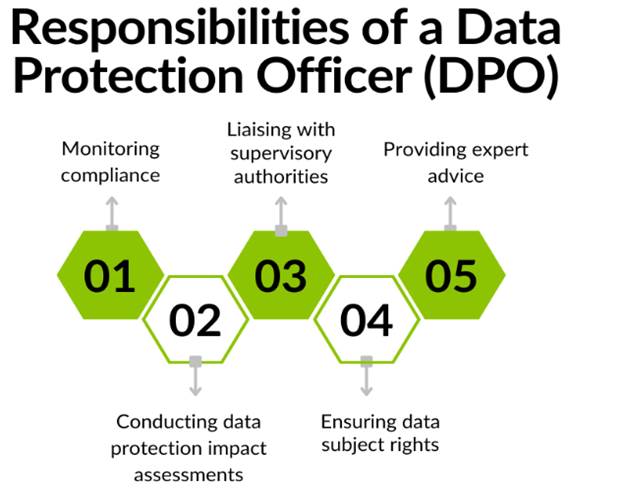
Source: Cyberarrow
Key Industries
Data protection has become an important component across almost every industry in the UK. Technology firms rely on robust privacy systems to manage users’ data. Financial services and retail companies handle sensitive customer information.
NHS England stated that NHS Trusts and healthcare providers handle large volumes of patient data. The education sector manages student records while the government organisation stores large public datasets. This kind of wide need creates a strong demand for a skilled professionals.
Why Does Demand Remain High?
The laws of Privacy apply to nearly all organisations, which drives continuous hiring for Data Protection Officers. Companies face strict penalties if they mishandle data, so they invest in a strong compliance team. As digital transformation grows, the need for data governance increases.
4. Policy Advisor
A policy advisor is also a suitable career for law graduates. A policy advisor supports the process of decision-making by researching the legal and economic issues. This role involves reviewing the results of new laws and identifying areas that need change.
Senior leaders among policy advisors contribute to improving public systems. Their work impacts the programme of the community and future legislation. This role is very suitable for law graduates who fit because they understand public law structures and the purpose behind legislation.
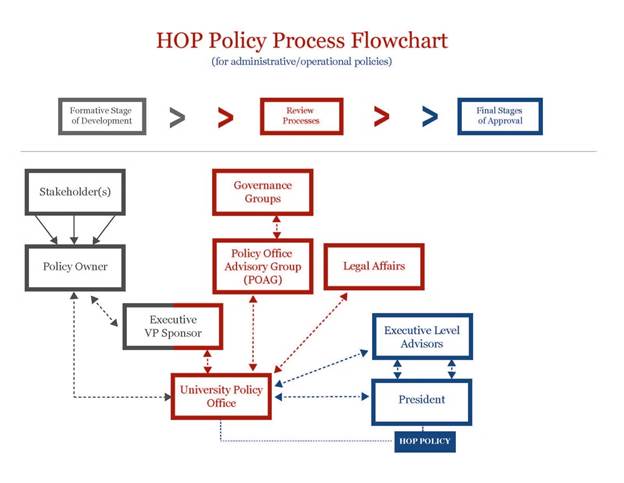
Source: The University of Texas at Austin
Workplaces
Policy advisors work in a diverse range of professional environments. Common workplaces included government departments and regulatory bodies. These mechanisms help in clear communication and promote strong research. Each organisation primarily focuses on improving public impact outcomes and shaping effective policy.
Daily Duties
The daily tasks of a policy advisor include researching new laws and analysing policy gaps. Policy advisors make clear policy papers and present their findings to managers and stakeholders. They also collaborate with senior leaders to develop practical and evidence-based recommendations. These working responsibilities help make informed decisions and strengthen public governance. Policy advisors use quantitative data analysis to provide objective and evidence-based guidance to decision-makers.
5. Human Resources Advisor / Employee Relations
A human resource advisor is another suitable career for law graduates. The team of human resources plays an important role in supporting the well-being of employees and smooth workplace operation. For law graduates, the knowledge of employment provides a strong advantage when entering the role of HR. Organisations completely rely on HR professionals to reduce the level of legal risks and promote fair and ethical practices across a smooth workforce.
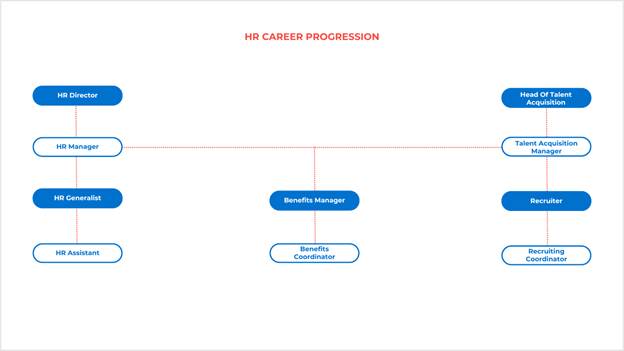
Source: Cultivated culture
Key Law Knowledge
The law of Employment is central to effective HR practice. A clear understanding of the rights of employers and the regulation of their workplace ensures compliance. This kind of knowledge helps to prevent disputes and reduce the risk of costly legal claims.
Daily Duties
HR professionals draft employment contracts and review the policies of the workplace. They also help to monitor employee conduct and support the disciplinary meetings. They advise the managers on the application policy and best practices. Their daily tasks also include writing of reports for HR and keeping accurate legal records.
Avado learning found that strong HR compliance with the law of employment significantly reduces workplace disputes and improves employee trust.
6. Intellectual Property Assistant
The UK’s creative and technology sectors continue to grow steadily. Intellectual property plays a noteworthy role in protecting the ideas behind inventions and original works. This is a well-suited career for law graduates because they understand the legal rights and the structured research method. Their skills also help the organisation protect its valuable creative assets.

Source: Kannonpedia
Key Industries
IP roles are common in the media and pharmaceutical industries. Every brand mainly depends on trademarks and designs that require legal protection.
Daily Duties
Daily tasks include researching trademarks and managing filing deadlines. IP Assistants update the records and handle correspondence with IP offices. GOV.UK states that businesses with well-managed IP portfolios show stronger growth and higher innovation outcomes.
7. Paralegal or Legal Researcher
In-house paralegals play a significant role in supporting organisations with daily legal needs. They mainly focus on the internal legal work rather than the representation of the client. These professionals help businesses to stay compliant and legally secure. They mainly support decision-making and reduce the legal risk across various departments.
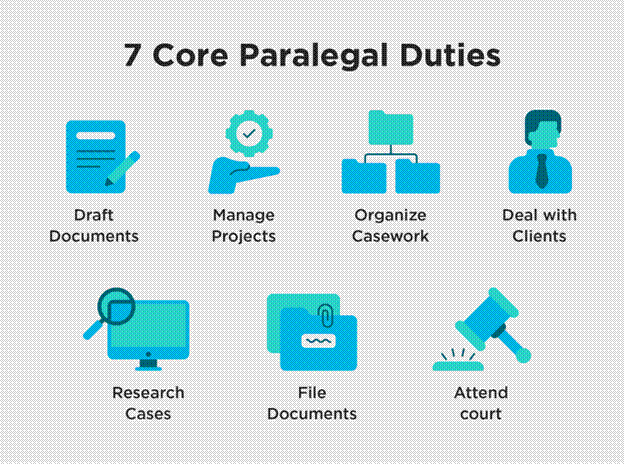
Source: Robertson
Workplaces
In-house paralegals are employed across many sectors. Common workplaces include corporate legal teams and sectors such as education and healthcare. These roles often provide structured working hours and long-term stability, which are very valuable to many law graduates.
Daily Duties
Daily responsibilities include reviewing internal policies and drafting non-contentious agreements. In-house paralegals carry out the legal research to support the business. They also help to manage the records for audits and support ongoing compliance tasks. Preparing internal notes and reports is also part of their routine work.
Conclusion
A law degree is not limited to courtroom practice. The UK job market values legal reasoning across compliance and research roles. These seven career options for law graduates discussed in this article offer strong hiring prospects, modern work environments, and long-term job stability. They allow students to apply their legal knowledge in practical settings. Each path supports professional growth and long-term career development.
Law students are generally excellent writers with strong logical skills and legal knowledge. These characteristics help them succeed in positions that do not involve litigation. The careers listed above are rewarding in both the public and private sectors and allow graduates to gain practical experience without the added stress of appearing in court. To stay ahead law graduates can hire top essay writing services to complete academic tasks. It frees up time to focus on gaining real-world experience and building the skills employers value most.
Frequently Asked Questions About Careers for Law Graduates
What Government And Public Sector Roles Are Popular With Law Graduates?
Government and other public-sector jobs are popular among law graduates because they are stable and have a positive impact on society. Policy officers, legal assistants, compliance officers, and regulatory advisors are all in high demand. A large number of graduates work for ministries, local councils, courts, and other regulatory bodies, such as the state.
These jobs include law research, policymaking, and legislative work. Law graduates also work in government legal departments and public prosecution departments. Their legal training helps them understand regulations, facilitate decision-making, and ensure that public services operate within the law.
Which Corporate Jobs (compliance, contracts, risk) Suit Law Degree Holders?
Law graduates are the best candidates for corporate positions because they possess strong analytical skills and other legal qualifications.
- Compliance officers help organisations comply with the laws and rules in their industries.
- Contract managers write, read and negotiate business agreements.
- Risk analysts detect both legal and operational risks and propose controls.
- Corporate governance officers and regulatory specialists also make law graduates occupy positions.
- Knowledge of the legal framework helps businesses prevent disputes and fulfil their obligations.